
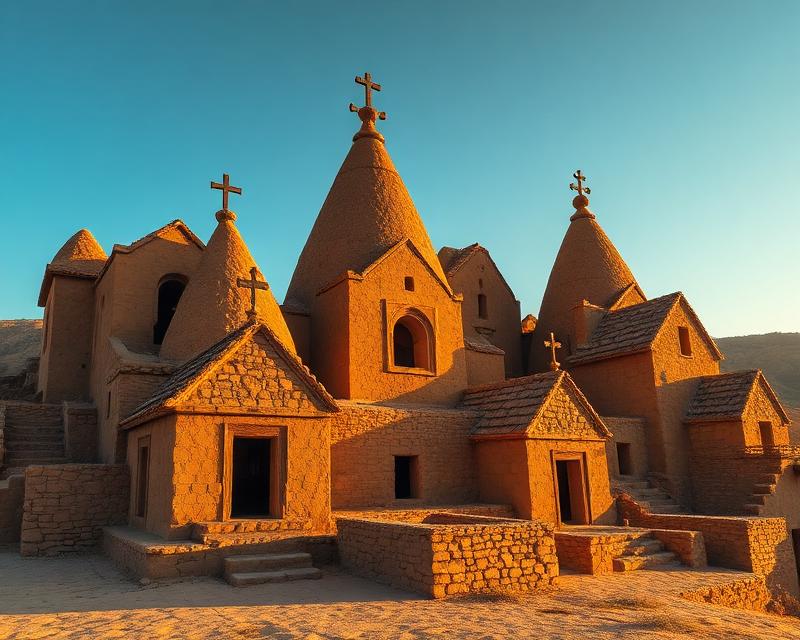
The short answer: the best time to visit Ethiopia is October to March, the long dry season. Skies are clear, the highlands are green from the recent rains, and every major destination — Lalibela, Gondar, the Simien Mountains, the Omo Valley — is at its easiest to travel.
But Ethiopia is a year-round country if you pick your region carefully. Here is the month-by-month breakdown, plus the festival calendar that draws diaspora travellers and pilgrims home each year.
Ethiopia's two seasons in plain English
Ethiopia has two main seasons rather than four: a long dry season (October to May) and a long rainy season (June to September). The rains, called kiremt, are heaviest in July and August in the highlands.
Most of the country sits at high altitude, so even in the dry season days are mild — typically 18–25°C in Addis Ababa, Lalibela and Gondar. Bring a light jacket for the evenings. The lowlands of the Danakil and the Omo Valley are a different story: they get very hot year round.
October to January — the peak window
These are the four golden months. The rains have just finished, so the landscape is vivid green, rivers and waterfalls are full, and the sky is clear. Temperatures are pleasant by day and cool at night.
January 7 brings Genna (Ethiopian Christmas), celebrated most spectacularly in Lalibela where tens of thousands of pilgrims gather. January 19 is Timkat (Epiphany) — Gondar is the place to see it. If you want to be there for Genna or Timkat, book your Lalibela or Gondar hotel at least three months ahead.
February to May — dry, hot, fewer crowds
Still dry, but the highlands warm up and the lowlands become uncomfortably hot. February and March are excellent for the historic north and for trekking the Simien Mountains. Prices ease after Timkat finishes.
Meskel (the Finding of the True Cross) falls on September 27 — but the bigger spring religious event is Easter, which Ethiopian Orthodox Christians call Fasika. Fasika is a moveable feast and brings Ethiopian families home. Domestic flights and hotels in Addis fill up fast around it.
June to September — the rainy season
Avoid the historic north for serious sightseeing — roads in Lalibela, the Simiens and parts of Tigray become difficult. But this is when southern Ethiopia is at its best: the Bale Mountains, the Omo Valley and the Rift Valley lakes are dramatic, green and mostly dry.
Addis Ababa is comfortable in the rains — afternoon downpours rather than all-day wet — and prices are at their lowest. If you have business in the capital or are visiting family, this can be a good window.
Festival calendar — the dates that matter
Genna (Ethiopian Christmas): January 7 — best in Lalibela. Timkat (Epiphany): January 19 — best in Gondar. Adwa Victory Day: March 2. Fasika (Ethiopian Easter): movable, usually April. Enkutatash (Ethiopian New Year): September 11. Meskel: September 27 — celebrated nationwide with bonfires.
Diaspora travellers often plan trips around Timkat or Genna. If that is you, check our diaspora travel page for tips on extended stays and family-friendly properties.