
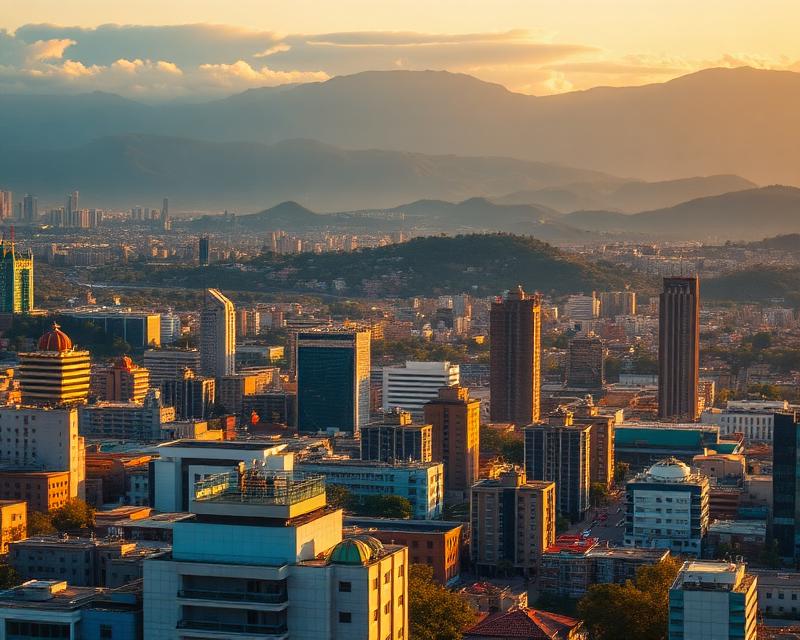
Ethiopia is a large and diverse country, and the honest answer to 'is it safe?' depends on where you go. The classic tourist circuit — Addis Ababa, Lalibela, Bahir Dar, Gondar, the Simien Mountains, the southern lakes — is broadly safe in 2026 and welcomes hundreds of thousands of visitors a year.
Some regions remain off-limits or require extra caution. We'll cover both, plus the everyday practical things — taxis, ATMs, food, women travelling solo — that make a much bigger difference to your trip than the headlines.
The short version
Safe and open: Addis Ababa, the historic north (Lalibela, Gondar, Bahir Dar, Axum has restricted access — check before booking), the Simien Mountains, the Bale Mountains, the Rift Valley lakes (Hawassa, Langano), and the south (Arba Minch, the Omo Valley).
Avoid or check current advisories before travelling: parts of Tigray, the Amhara region's western fringes, the Somali region, parts of Oromia and the Eritrean border. Conditions change — check your government's travel advisory close to your trip.
Addis Ababa — what to expect
Addis is a major African capital and feels much like one. Petty theft (pickpocketing, phone snatching) happens around busy markets like Merkato, the Piazza area at night and in crowded minibus taxis. Use registered taxis or ride-hail apps (Ride, Feres) rather than waving down cabs.
The Bole, Kazanchis and Africa Avenue areas where most international visitors stay are well-lit, busy and have heavy security around the major hotels. Walking back to your hotel after dinner in these areas is generally fine.
The historic north — Lalibela, Gondar, Bahir Dar
These three cities and the routes between them are the backbone of Ethiopian tourism and very used to visitors. Crime against tourists is uncommon. The bigger issues are altitude (Lalibela sits above 2,500 m), road quality, and occasional fuel shortages affecting bus travel.
Most visitors fly between cities on Ethiopian Airlines, which is reliable and well-priced. If you do drive, hire a car with driver from a reputable operator rather than self-driving.
Practical day-to-day
Money: ATMs in Addis, Lalibela, Gondar and Bahir Dar are reliable. Carry some Ethiopian birr cash for smaller hotels, restaurants and tips. Major hotels accept Visa and Mastercard. On Ethiopia Bookings you can also pay with Telebirr or CBE Birr if you have an Ethiopian mobile wallet.
Food and water: stick to bottled water. Ethiopian food is one of the great cuisines of Africa — injera with various wats, kitfo, tibs — and is generally very safe in established restaurants and hotels.
Health: pack any prescription medication you need. Yellow fever vaccination is required only if you arrive from an endemic country. Malaria risk is low in the highlands but real in the lowlands and the Omo Valley.
Women travelling solo
Solo female travellers regularly tour Ethiopia and most report a positive experience. Dress modestly outside Addis (knees and shoulders covered, especially in churches and rural areas). Politely declining male attention is generally respected. As anywhere, avoid walking alone after dark in unfamiliar areas.
Booking your accommodation
Use a verified property — every hotel listed on Ethiopia Bookings has been physically inspected by our local team, with photos taken by us rather than the owner. That removes the single biggest practical risk: turning up to a property that is not what was advertised.